

A JOIN Cycling alternative: both adapt, and one you can talk to
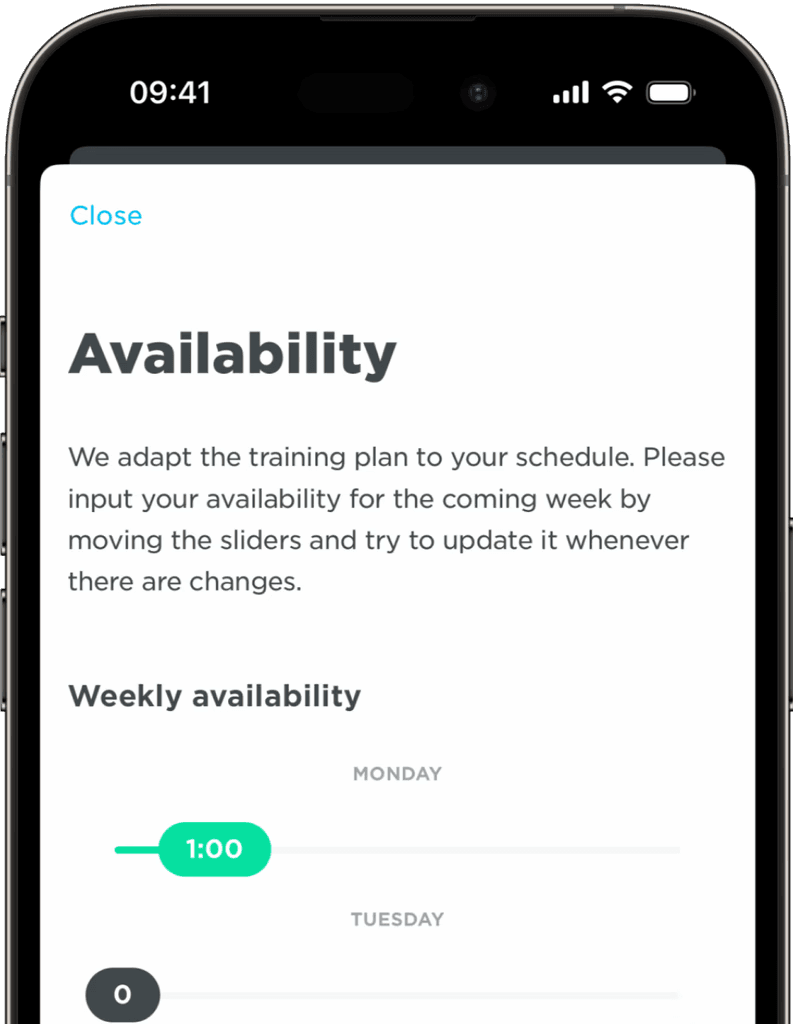
If JOIN keeps telling you “no workout today,” or serving short sessions on days you said you were free, that’s its scheduler fitting the availability you entered. JOIN is the closest thing to AdaptCycling on the market. It adapts on its own from the rides you import and the RPE score you give each one. AdaptCycling adapts the week on its own too. The differences: on the Coach tier you can tell a coach what changed in plain words, every session carries a written reason, and the free tier keeps adapting. Free to start, no card, no ramp test.
By Jim Camut · Former pro and Johan Bruyneel Cycling Academy racer · Updated September 28, 2026
At a glance
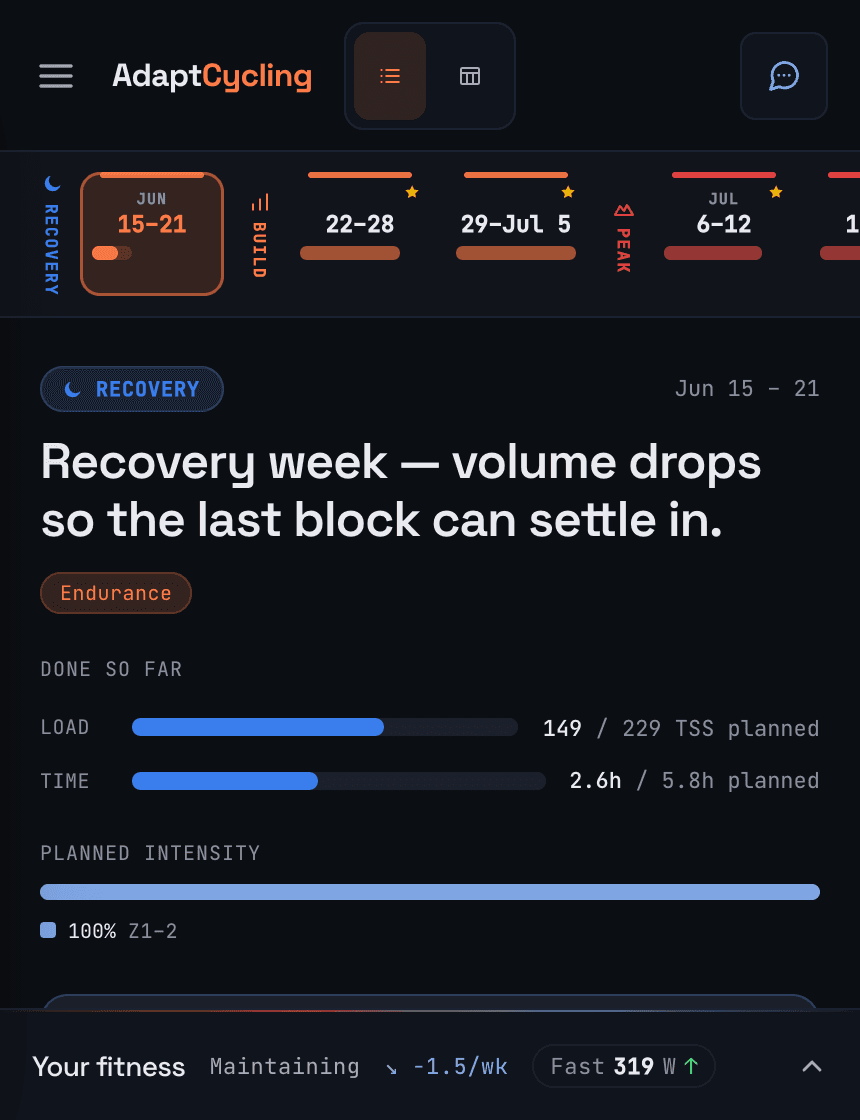
- JOIN adapts on its own. It reads the rides you import plus the RPE score you give each ride, and reschedules your week around missed workouts and outdoor rides. AdaptCycling re-solves the current week on its own when a ride breaks what the plan assumed, on every tier.
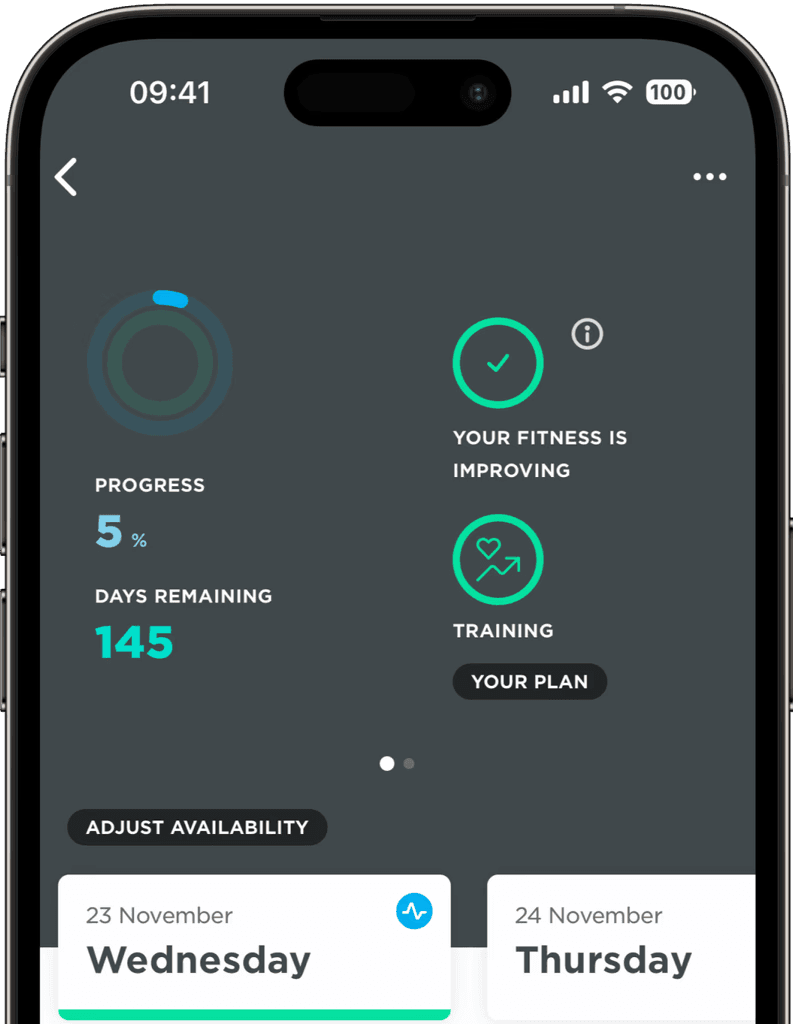
- JOIN’s adaptation leans on how each ride felt: a post-ride RPE score and a daily soreness/recovery self-report. AdaptCycling reads the ride you actually did (power, duration, load) and grades it against its target.
- JOIN has no coach to talk to: the only interaction is sliders. On AdaptCycling’s Coach tier you tell a chat coach you’re sick, traveling or your event moved; it proposes a change and applies it once you agree. It remembers your goals and standing constraints for months.
- JOIN’s execution is indoor-trainer-first — it drives ERG and auto-pushes workouts to Zwift and Garmin. AdaptCycling doesn’t control your trainer; it pushes planned workouts to a Wahoo ELEMNT or Hammerhead Karoo and reads every ride back on upload.
- Switching costs nothing to try: JOIN paywalls its adaptation behind a 7-day trial with no free tier (€16.99/mo or €119.99/yr). AdaptCycling’s plan, daily workout, ride analysis and automatic week re-solve are free forever. Every signup also gets 14 days of full Coach access with no card; after that it’s $15/mo or $150/yr, only if you upgrade.
- Onboarding is connect-and-go: connect your rides and the plan is built from the rides you already have. No ramp test, no card.
Head to head
| Dimension | AdaptCycling | JOIN Cycling |
|---|---|---|
| Pricing | $15/mo or $150/yr | €16.99/mo or €119.99/yr (~€9.99/mo on the annual); prices vary by region |
| Free tier | One plan, the daily workout with its reason, and the automatic week re-solve, free forever | None — 7-day free trial, then paid |
| Getting started | Connect Wahoo, Hammerhead, Polar, Rouvy or intervals.icu. Your first plan is built from the rides you already have, with no ramp test and no card; Strava is a waitlist (seats capped) | Set your goal and event, then set the weekly availability the plan schedules around |
| What “adaptive” changes | The current week re-solves on its own when a ride breaks it; on Coach, tell the coach about illness, travel or a moved event and it reworks the plan once you agree | Reschedules your week and scales upcoming sessions from your synced rides, RPE and availability |
| Daily readiness loop | Reads each new ride and re-solves the week when one breaks the plan; no daily check-in required | Recalculates every day from a soreness/recovery self-report — a genuine strength if you like a daily touchpoint |
| What the adaptation reads | The rides you actually did — objective power, duration, and load | Your synced rides plus how each one felt: a post-ride RPE score and the readiness self-report |
| Read of your recent training | A read of your recent training on connect: intensity balance, ramp rate, what’s working and what’s holding you back, from real power/HR | Builds from your goal and synced load; no upfront diagnostic verdict of your recent training |
| Coach chat with long-term memory | Coach tier: remembers goals and standing constraints for months, recent illness for weeks | None — sliders and RPE only, no conversational coach |
| Plain-language WHY on every workout | Yes — tied to your named goal and this week’s context | Shows the workout’s structure and zones, but no conversational rationale |
| FTP without a forced test | Estimated from your power curve | eFTP modeled continuously from training data — formal tests optional, recommended ~every 3 months |
| Indoor ERG execution + trainer control | Not the focus — we push planned workouts to Wahoo ELEMNT and Hammerhead Karoo; other rides flow back on upload | Drives your smart trainer in ERG and auto-pushes structured workouts to Zwift, Garmin, Wahoo, and Hammerhead |
| Outdoor / unstructured rides credited | Every ride banks load; one that breaks the plan re-solves the week | Synced outdoor rides count too, and the week reschedules around them |
| Track record | Private beta — no public app-store rating yet | Mature, well-reviewed app: 4.7★ on iOS and 4.8★ on Google Play, thousands of ratings since 2020 |
Where AdaptCycling fills the gap
What cyclists actually say about JOIN
JOIN comes by its reputation honestly. It’s built by a Dutch company in Amsterdam, founded in 2020 by former pro cyclist Jim van den Berg, and acquired by Relive in February 2025 — the brands still run separately, with van den Berg as CEO. The app rates 4.7 out of 5 on iOS and 4.8 on Google Play across thousands of reviews, and the thing people praise most is the part that matters: the adaptation feels personal. Riders describe a plan that genuinely rearranges itself every time they train, miss a session, or do something different — “like having a personal trainer.” The scheduling is flexible, the onboarding is event-aware, and there’s a single clean price with no tiers to decode.
Spend time in the forums and a consistent set of grievances surfaces. Long endurance rides are described as monotonous — an endless Z2 block, a bit of work, another long Z2 block — where rivals keep the session more varied. The in-ride screen is hard to read and ERG mode is fiddly to toggle. New users get tripped up by an app that sometimes says “no workouts today” without explaining why, and by a workout library that’s smaller than the competition and heavy on intervals. The annual price has crept up over the years. None of these are dealbreakers; they’re the texture of a real, opinionated product.
Put the praise and the gripes together and they describe the same machine. JOIN is a polished adaptive plan engine, the closest thing to AdaptCycling on the market, and better than most at quietly reshuffling your week. What it doesn’t do is talk to you, or tell you why a session is there.
What JOIN’s adaptation actually adapts — and what it doesn’t
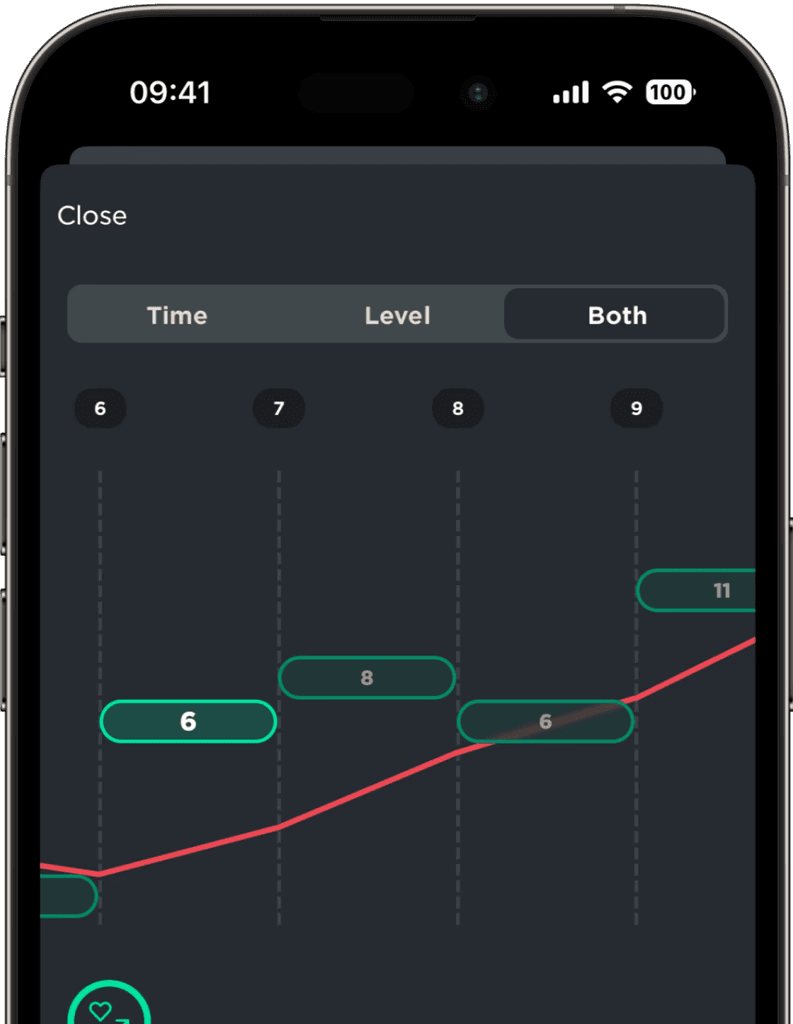
JOIN’s daily recalculation runs on three inputs, and it’s the real thing. It pulls your completed rides back from Strava, Garmin, Wahoo, and Zwift and reads the training load. After each session you grade how hard it felt — an RPE score. And every day you can log a quick readiness check: muscle soreness and recovery. Feed it a hard outdoor ride or skip a day, and JOIN reschedules the rest of the week to compensate — one independent reviewer watched it pick a ride up from Strava and rebuild the days around it. This is not a static plan with a coat of paint; it adapts, and it adapts to life, not just to load.
What the loop can’t take in is context. It runs on numbers: your rides, your RPE, your readiness sliders, your availability. You can change your availability and it reschedules around that. But there’s no way to tell it “my knee’s been niggling” or “I’m away Thursday to Sunday for work” and have it work out what that means for the plan. It reads your numbers and your self-report, not your situation.
Where a chat coach changes the equation
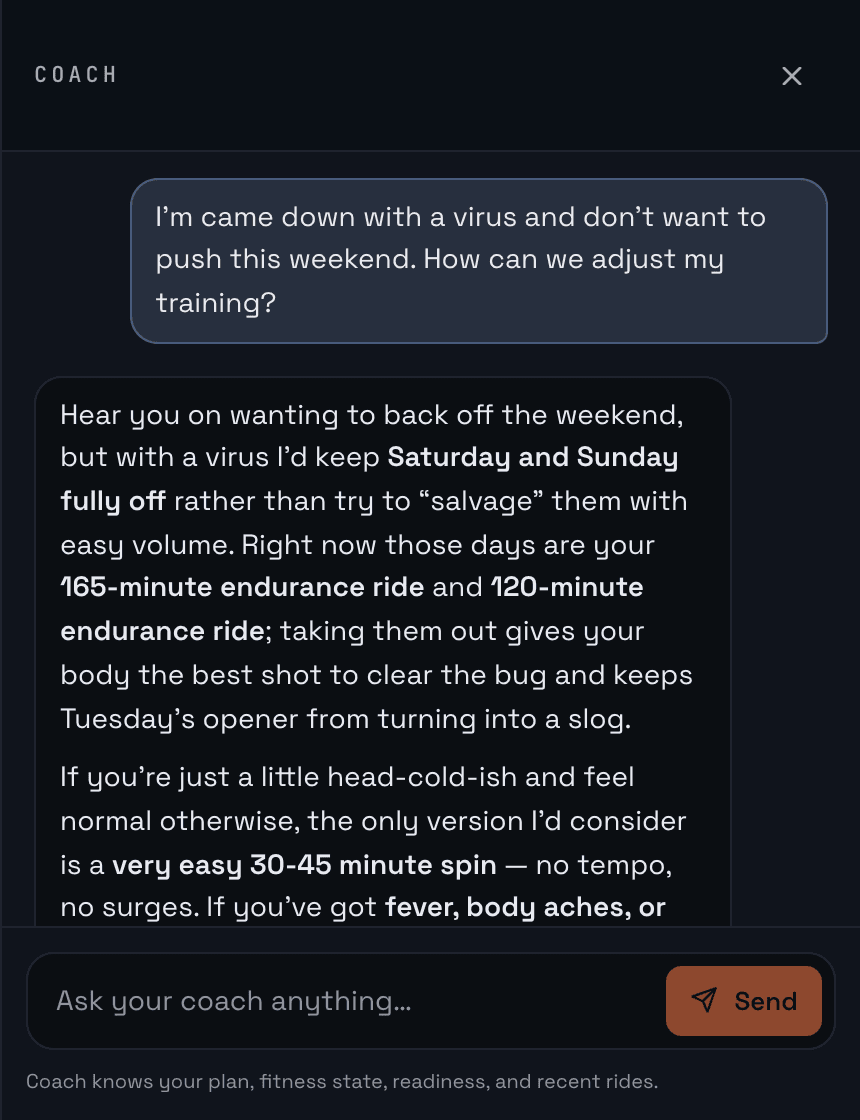
Two things set AdaptCycling apart from JOIN. The first is a coach you can talk to. On the Coach tier, you tell it about an illness, a work trip or a moved event in plain words. It proposes a change to the plan and applies it once you agree, whether that’s a lighter week, a shifted date range or a rebuilt block. JOIN’s only interaction is sliders; there’s no one to ask.
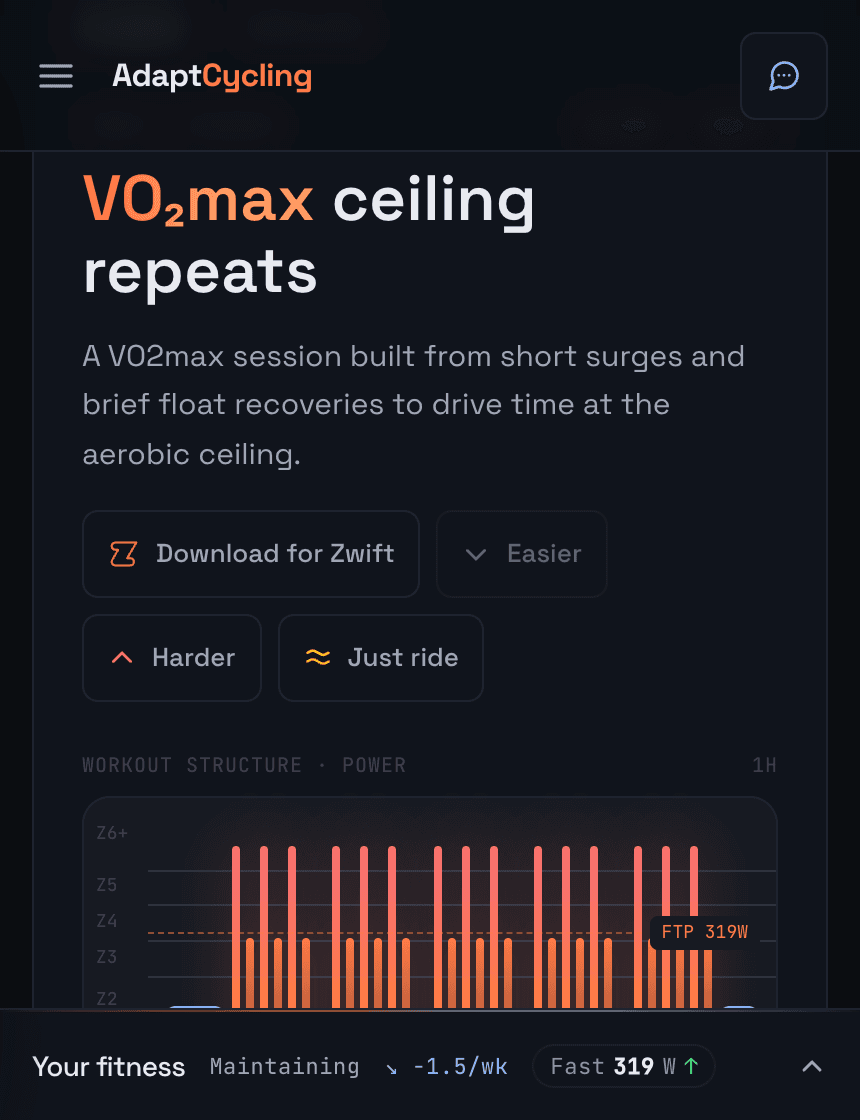
The second is the reason. You can’t tell JOIN “my knee’s been niggling, ease off the VO2 work for two weeks and tell me why,” because there’s nobody there to tell. AdaptCycling’s coach holds that conversation and remembers what you told it. Every session it hands you carries a written reason tied to your goal. JOIN picks today’s workout well. AdaptCycling adapts the week too, and explains itself in words. For a rider without a human coach, that’s the part that was missing.
Switching from JOIN costs nothing
There’s no migration to dread, because there’s nothing to export. You don’t move your JOIN plan or your settings — you connect the app or head unit you already ride with, and the rides you’ve already done become the ground truth. AdaptCycling reads the recent rides already in that account on connect, then builds your first plan from them. No 20-minute ramp test, no credit card. If JOIN’s slider setup is the part that’s been quietly misfiring, the “no workout today” mornings and the short sessions on days you said you were free, this is the step that replaces it: the plan starts from what you actually rode.
You also get a read of your recent training: your intensity balance, your ramp rate, what’s working and what’s holding you back, computed from real power and heart-rate data rather than a self-report. JOIN doesn’t give you that second opinion.
And you don’t have to quit JOIN to find out. The plan, the automatic week re-solve, the daily workout with its reason, and the ride analysis are free forever. Every signup also gets 14 days of full Coach access (the chat coach, post-ride analysis, and plan changes on request) with no card. Run both side by side for two weeks, keep the one that fits the way you actually train, and cancel the other. There’s no lock-in, and no cost to trying.
Free forever. No credit card. Keep JOIN running while you compare.
When JOIN Cycling is the better choice
Honest is better than loud. Three scenarios where you should pick them over us:
- You train mostly on a smart trainer indoors and want the app to drive ERG and auto-push structured workouts to Zwift or Garmin — JOIN’s execution loop is purpose-built and polished.
- You want a daily “here’s today’s workout” prescription off a quick soreness/RPE check-in, not a conversation — JOIN’s slider-and-go simplicity is less cognitive load than a chat coach.
- You want a plan engine with years of refinement and a big user base behind it. JOIN’s algorithm has been tuned since 2020, and the app holds 4.7 stars with a real European following.
Common questions
Is AdaptCycling a JOIN clone?
No, though JOIN is the closest thing to AdaptCycling on the market, so it’s a fair question. Both adapt on their own from the rides you actually do. JOIN also reads a post-ride RPE score and a daily soreness/recovery self-report, and has no coach to talk to. AdaptCycling reads the rides your head unit uploads, re-solves the week when one breaks the plan, and on the Coach tier adds a chat coach you can tell what changed.
Does JOIN actually adapt when I miss a workout or ride outside?
Yes, and it does it well — give JOIN credit here. Synced outdoor and unstructured rides from Strava, Garmin, Wahoo, and Zwift count toward your load, and JOIN reschedules the rest of the week around them. AdaptCycling does this too. The difference is that you can also tell AdaptCycling’s coach what changed, and every session carries a written reason.
Does JOIN have a chat coach?
No. JOIN’s only interaction is a post-ride RPE score and a daily soreness/recovery self-report — sliders, not a conversation. AdaptCycling’s Coach tier is a chat coach that remembers your goals and standing constraints for months, and proposes plan changes that apply once you agree.
Is JOIN cheaper than AdaptCycling?
No. JOIN is €16.99/mo or €119.99/yr (about €9.99/mo on the annual), with a 7-day trial and no free tier; pricing varies by region, so the GBP and USD figures differ. AdaptCycling is $15/mo or $150/yr, and one adapting plan stays free.
Which is better for indoor trainer workouts?
JOIN, for in-workout execution. It drives your smart trainer in ERG mode and auto-pushes structured workouts to Zwift and Garmin. AdaptCycling doesn’t control your trainer — it plays the coach deciding what the week should be and reads every ride back on upload, rather than the engine running your trainer through a single session.
Do I need an FTP test to start with either?
No. JOIN models eFTP continuously from your training data — formal tests are optional, recommended roughly every three months. AdaptCycling estimates FTP from your power curve. Both let you skip the dreaded ramp test.
Why does JOIN keep saying “no workout today” — and does AdaptCycling do that?
That’s JOIN working as designed, not a bug: to fit the availability you entered, it will sometimes skip a session, which can read as an empty or broken plan (JOIN has a dedicated help article for it). AdaptCycling builds the week from your rides and your goal, and every day carries a written reason, so a rest day tells you why it’s there. If a day still looks off, you can ask the chat coach.
Can I switch from JOIN — do I have to cancel it or export anything?
Easily, and you don’t have to quit JOIN to do it. There’s no export and no import — connecting the app or head unit you already use creates your account and makes your ride history the source of truth, so your JOIN settings don’t migrate but your rides do, and your rides are what the plan is built from. The adaptive plan is free forever and every signup gets 14 days of full Coach access with no credit card, so you can run both apps side by side for two weeks and keep whichever fits the way you actually train. No lock-in, no switching cost.
Free training analysis · No card · ~3 minutes
Try it free, and keep JOIN running while you compare
JOIN will reschedule your week, and do it well. AdaptCycling adapts the week on its own too. The difference shows when you need to say what happened, like an illness or a moved event, and when you want to know why a session is there. Connect your rides and see your first plan. Free, no card, no ramp test, and you can cancel JOIN later, or not at all.